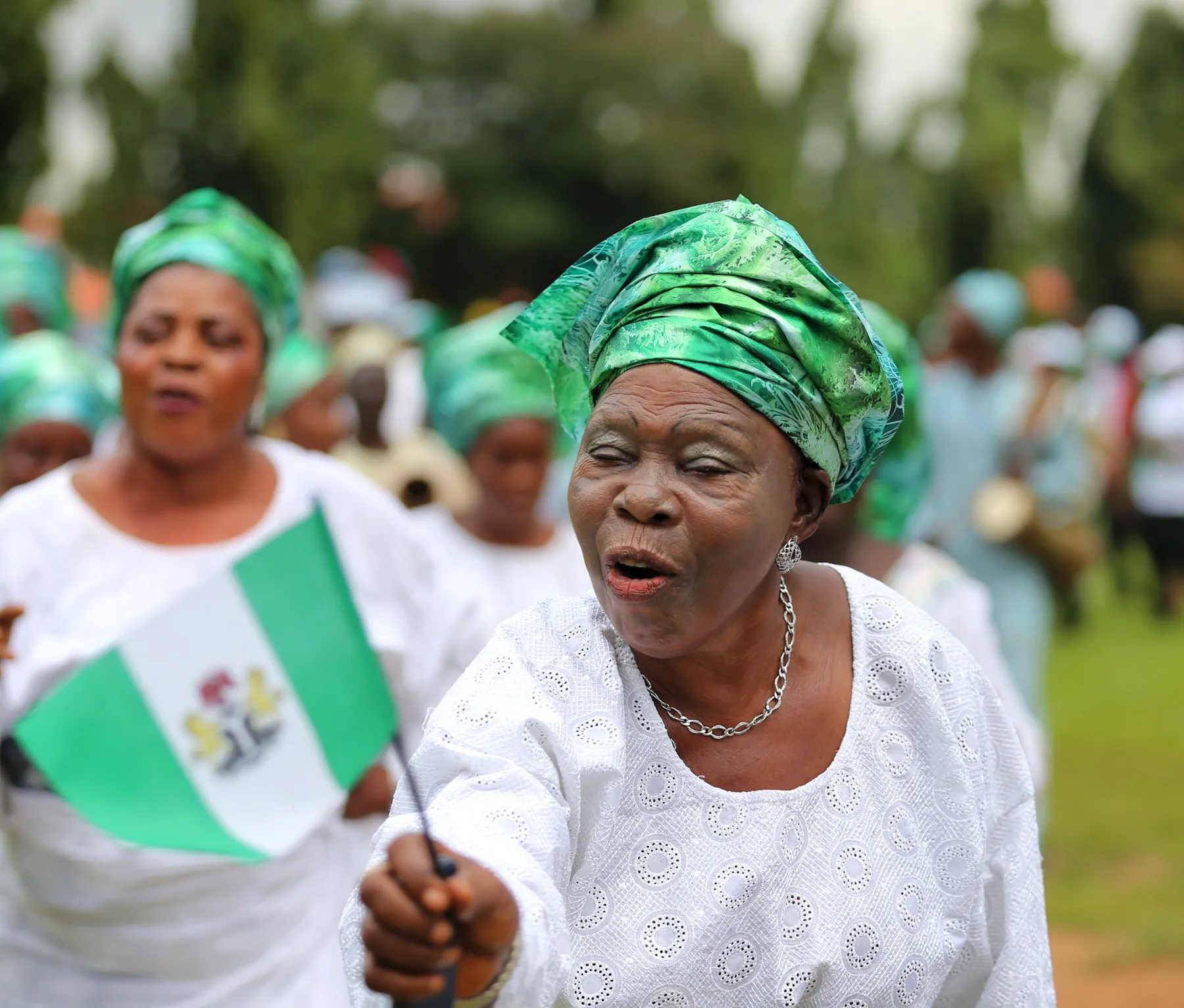
Going home after years away — a guide for Nigerians abroad
You're not a tourist. You're going home. But home has changed . and so have you. Here's the honest guide to reconnecting with Nigeria, from someone who's done it.
diaspora fly home to Nigeria every December. Whether it's been 2 years or 20, this guide has you covered.
What's changed since you left
Nigeria in 2026 is not the Nigeria you remember. Some changes will blow your mind. Others will feel painfully familiar.
What will surprise you
Lagos has transformed. Lekki-Ikoyi Link Bridge, Eko Atlantic City rising from the ocean, new flyovers, the Blue Line rail. If you left before 2018, you genuinely won't recognise parts of the city.
Apps run everything now. Bolt and Uber for transport. OPay and PalmPay for payments. Jumia for deliveries. You can order food, pay for anything, and move around Lagos without carrying cash. The tech revolution is real.
Banking is mobile-first. GTBank, Access, First Bank, all have excellent apps. Transfer money instantly, pay bills, even open accounts from your phone. The banking experience is genuinely world-class now.
The food and nightlife scene exploded. Lagos has restaurants that rival London and New York. Abuja's food scene has caught up. Your old neighbourhood? It probably has 3 new clubs and a rooftop bar.
What hasn't changed
Traffic.Lagos traffic is still legendary. That 45-minute journey still takes 3 hours at rush hour. Uber has helped but cannot defeat the gridlock. Plan your day around traffic or you'll spend your entire trip in a car.
NEPA (power) is still NEPA. They renamed it PHCN, then DisCos, but the reality is the same: power cuts daily. Every house, hotel, and business runs a generator. Your phone battery is your lifeline, bring a powerbank.
The hustle culture is stronger than ever. Nigerians are the most entrepreneurial people on earth. Everyone has 2-3 businesses. The energy is inspiring but also exhausting. Expect to be hustled, pitched, and offered opportunities every single day.
Family is still everything. The warmth, the noise, the arguments, the love. Nigerian family dynamics have not changed. Prepare to be fed, interrogated about your life, and reminded that you need to come home more often.
Before you fly home
Get these sorted weeks before your trip. Do not leave anything to the airport.
Passport & visa situation
Dual citizenship holders: Carry both passports. Use your foreign passport (UK, US, Canadian) at departure and your Nigerian passport at Nigerian immigration. This avoids the Visa on Arrival queue entirely.
Expired Nigerian passport: Renew at your nearest Nigerian embassy or high commission. Online applications are now available, processing takes 2-6 weeks. Start this at least 3 months before your trip. Passport offices are notoriously slow around December.
Foreign passport only: UK, US, and Canadian citizens need a visa. Apply for an e-Visa (Visa on Arrival approval) online, processing takes 48-72 hours. See our visa guide for step-by-step instructions.
Flights, the cheapest way home
London to Lagos from £350 off-peak. NYC to Lagos from $550. Toronto to Lagos from CAD $750. December flights? Double those prices, book 4-6 months ahead or you'll pay £900+.
Jetcost compares dozens of airlines in one search. British Airways, Virgin Atlantic, Ethiopian, Turkish, Air Peace. Find the cheapest route home in 30 seconds.
Search Cheap Flights HomeCompare all airlines in one searchTravel insurance, yes, even for going home
"I'm Nigerian, I don't need insurance for my own country." We hear this constantly. Then someone gets sick, ends up at a private hospital, and faces a £3,000 bill with no coverage.
Nigerian hospitals require upfront payment. SafetyWing starts from $42/month and includes emergency evacuation. It takes 3 minutes to sign up.
Get SafetyWing CoverageFrom $42/month, emergency evacuation includedMoney matters: naira reality in 2026
The naira exchange rate has changed dramatically. Here's how to get the most for your money.
Your UK or US bank charges £25-35 per international transfer. Wise charges £3.
Stop overpaying, switch to Wise before your trip.
Exchange rate reality
The naira floats freely now. Rates change daily. The days of fixed "official" vs "black market" rates are gone, but that means more volatility. Check xe.com before any exchange.
Bureau de change at the airport: The worst rates you'll find. Avoid. Use Wise or an ATM instead.
Wise, send money home at the real rate
Wise uses the mid-market exchange rate with transparent fees starting from £3 per transfer. Send GBP, USD, or CAD directly to any Nigerian bank account. Money arrives in minutes.
Over 16 million people use Wise worldwide. Set up your account before you travel, verification takes 24 hours.
Try Wise FreeFirst transfer with zero feesRevolut card, spend in naira without fees
Revolut gives you the interbank exchange rate with no FX markup on weekday spending. Use it at ATMs, POS terminals, and anywhere that takes card. Perfect backup to cash. Do not use your regular bank card, the fees will shock you.
Get Revolut FreeNo FX fees on weekday transactionsCash & mobile payments
How much cash to bring: Bring $200-300 equivalent in cash as emergency backup. Nigeria is still cash-heavy for markets, tipping, and small vendors. Use ATMs in banks (not standalone ones) for withdrawals.
Mobile payments: OPay and PalmPay are everywhere now. Download them, fund your wallet via Wise transfer, and pay for food, rides, shopping . even street vendors accept transfers. Welcome to cashless Nigeria.
Staying connected back home
You need data from the moment you land. Here's how to stay online.
eSIM, skip the airport SIM queue
The SIM registration queue at Murtala Muhammed can take 2+ hours. You need NIN registration, passport copies, biometrics. Just... no. Get an Airalo eSIM before you fly.
Airalo uses MTN's network (best coverage in Nigeria). From $4.50 for 1GB. Install at home, it activates the moment you land. Order Uber from the arrivals hall while everyone else is queuing for SIMs.
Get Airalo eSIMFrom $4.50, activates on landingVPN, essential for X/Twitter and security
X (Twitter) remains restricted in Nigeria. Hotel and cafe WiFi has zero encryption, your banking details are exposed. A VPN solves both problems.
NordVPN from $2.99/month with the current 77% off deal. Download the app, test it at home, enable the kill switch. Takes 2 minutes.
77% OFFGet NordVPN. 77% Off$2.99/month, essential for NigeriaWhatsApp is everything
Nigeria runs on WhatsApp. Family group chats, business communication, event invitations, restaurant bookings, everything. If your Nigerian family members don't have your WhatsApp, you basically don't exist. Make sure it's installed and working before you land.
Where to stay: the family house debate
The most loaded question in diaspora travel: family house or hotel?
Staying with family
Pros:Free, authentic, family bonding, home-cooked food, no better way to reconnect. Your mum will feed you like you've been starving abroad.
Cons: Zero privacy. Power cuts with no backup generator. Family on your schedule 24/7. The hot water may not work. Uncle wants to discuss your marriage plans at 7am. You will not sleep past 6am because the generator next door starts then.
Honest advice:Stay with family for 2-3 days to reconnect, then move to a hotel for the rest. You get the best of both worlds and keep your sanity. Just be diplomatic about it. "I don't want to burden you" works better than "I need space."
Hotels & Airbnb
Lagos:Victoria Island or Lekki Phase 1 for first-timers. Hotels from £40/night for solid 3-star to £200+ for luxury. Airbnb apartments offer the best value for stays over a week.
Abuja: Wuse 2 or Maitama for the best location. Generally cheaper than Lagos. Quieter, more organised, better power supply.
Book early for December . Lagos hotels fill up fast during Detty December. Prices surge 30-50% from mid-November.
Culture shock: even for Nigerians
You grew up here, but reverse culture shock is real. Here's what to expect.
Everything is louder than you remember
The generators, the traffic, the music from the church next door at 5am, the wedding party across the street on a Tuesday. Your noise tolerance has been recalibrated by years abroad. It takes 2-3 days to adjust. Bring earplugs for sleeping.
Time works differently
If someone says 'I'm coming now,' they mean 30 minutes. If they say '5 minutes,' that's an hour. 'African time' is not a stereotype, it's a lifestyle. Relax into it or you'll spend your entire trip frustrated. The only things that start on time are flights (sometimes).
You'll feel like a stranger and at home simultaneously
Your accent has changed. You might struggle with Pidgin. You'll reach for your card when everyone's paying with transfers. You'll ask for a receipt and get a confused look. But the moment someone calls you 'broda' or 'sista,' the moment you taste real jollof rice, the moment the Afrobeats hits, you'll remember. You're home.
Expectations vs reality
You imagined an emotional homecoming. What you got is traffic from the airport, your luggage is overweight, and your uncle is already asking when you're building a house. That's normal. The magic comes in the small moments, the evening breeze, the sound of rain on a zinc roof, laughing with cousins until 2am. Don't force the big emotional moments. Let Nigeria come to you.
Gifts & expectations: the diaspora tax
Let's talk about the elephant in the room. Family expectations when you come home.
What family expects
The reality: when you live abroad, family sees you as the "one who made it." They expect gifts, money, and contributions to bills, school fees, or business ideas. This is not greed, it's the Nigerian family system. You are part of a collective, not an individual.
Set expectations before you arrive. Call ahead. Say your budget. Be honest about what you can and cannot do. This one conversation saves you a trip full of awkward requests and guilt.
Smart gift ideas that go further
Pro tip: Use Wise to send money in advance for bigger contributions (school fees, rent, medical bills) rather than carrying large amounts of cash.
Detty December: the ultimate homecoming
If you're visiting in December
Detty December is when Nigeria comes alive. Every weekend has 5+ events. Concerts (Wizkid, Burna Boy, Davido), beach parties, owambe (traditional parties), weddings, family reunions. Lagos turns into the entertainment capital of Africa.
The reality check: Flights are 2x the normal price. Hotels are 50% more expensive. Traffic is even worse than usual. And every diaspora person you know is also there. Book everything early, flights by August, hotels by September.
Worth it?Absolutely. There is nothing like Detty December. It's the one time the entire diaspora comes home, and the energy is unmatched.
Your diaspora checklist
Everything in one place. Check them off before you fly.
Diaspora Travel: FAQ
My Nigerian passport expired years ago, can I still travel home?+
How much money should I bring home for family and gifts?+
Is Nigeria safe for diaspora coming home?+
What are the customs limits for bringing items into Nigeria?+
Will my foreign bank card work in Nigeria?+
How do I handle the 'when are you coming back' conversations?+
Should I buy a Nigerian SIM card or use an eSIM?+
When is the best time for diaspora to visit Nigeria?+
Book your flight. Nigeria is waiting for you
550,000+ diaspora fly home every year. The food, the family, the energy, there's nothing like it. Search Jetcost for the cheapest fares and start planning your homecoming.
This page contains affiliate links. We may earn a commission at no extra cost to you. Full disclosure